
What Is Bible Copywork?
A practice older than printing presses.
Bible copywork is the practice of writing or typing Scripture word by word. Reading moves our eyes across a passage. Copywork asks our hands, mind, and attention to move with it.
It is not about producing a manuscript. It is about giving a passage enough time to speak. When you copy a verse, you notice words you might otherwise skim past. A familiar sentence becomes new again.
A Practice Older Than Printing Presses
For centuries, Scripture was preserved through copying. Long before printed Bibles existed, scribes carefully copied every word by hand. Every manuscript required patience, concentration, and remarkable attention to detail.
Modern readers no longer copy Scripture to preserve the biblical text in the same way. Yet the practice still helps us slow down and receive the text with care.
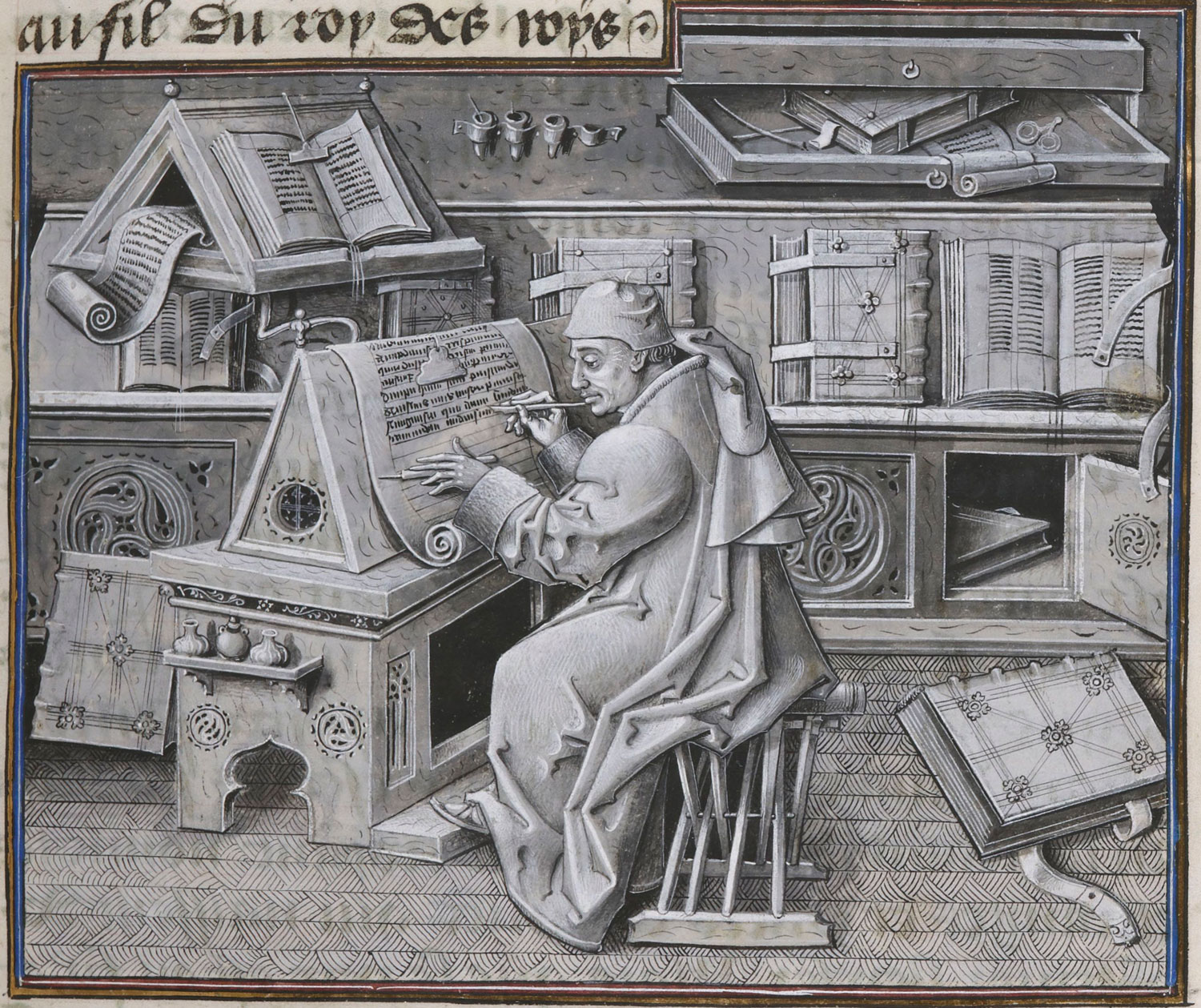
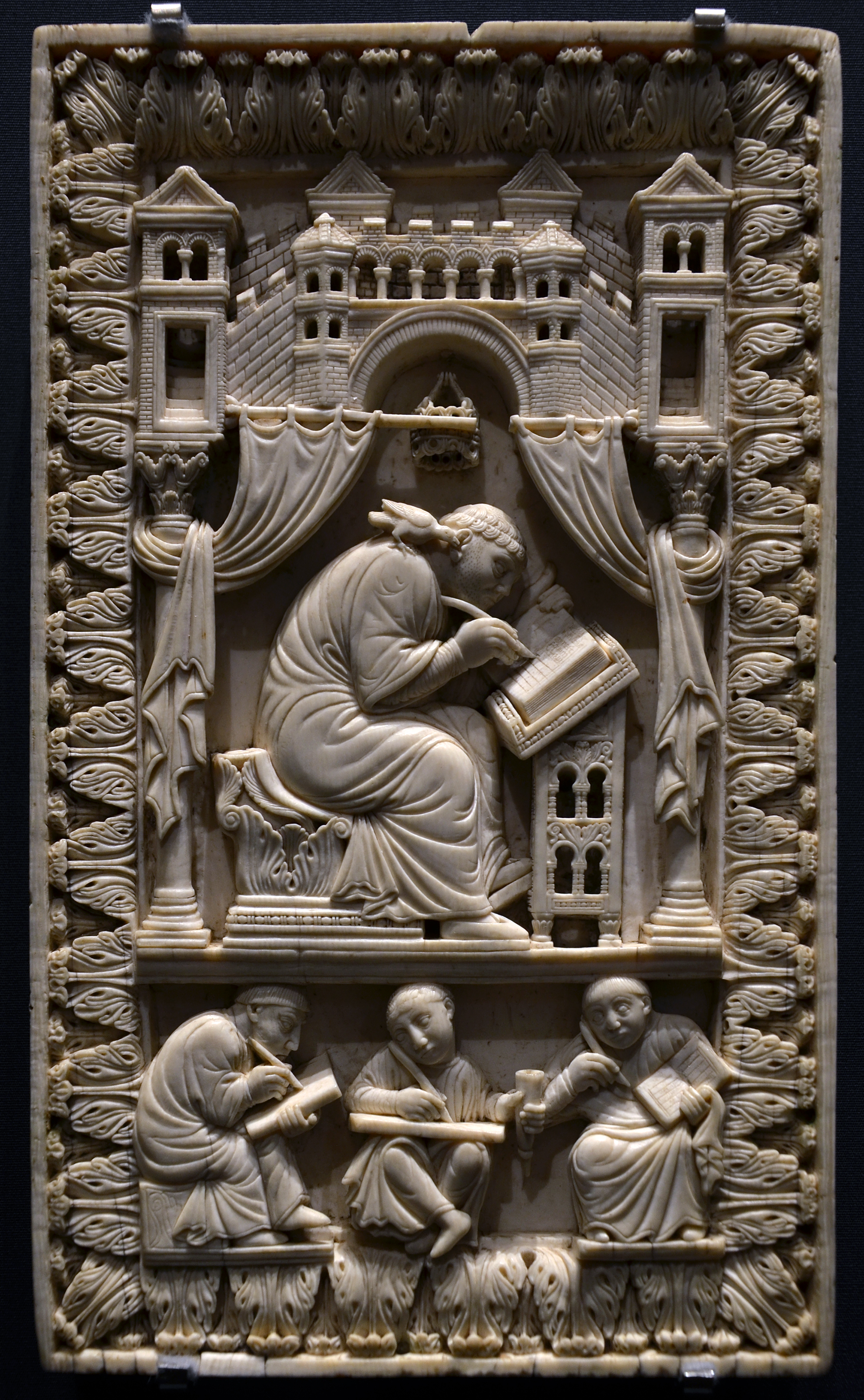
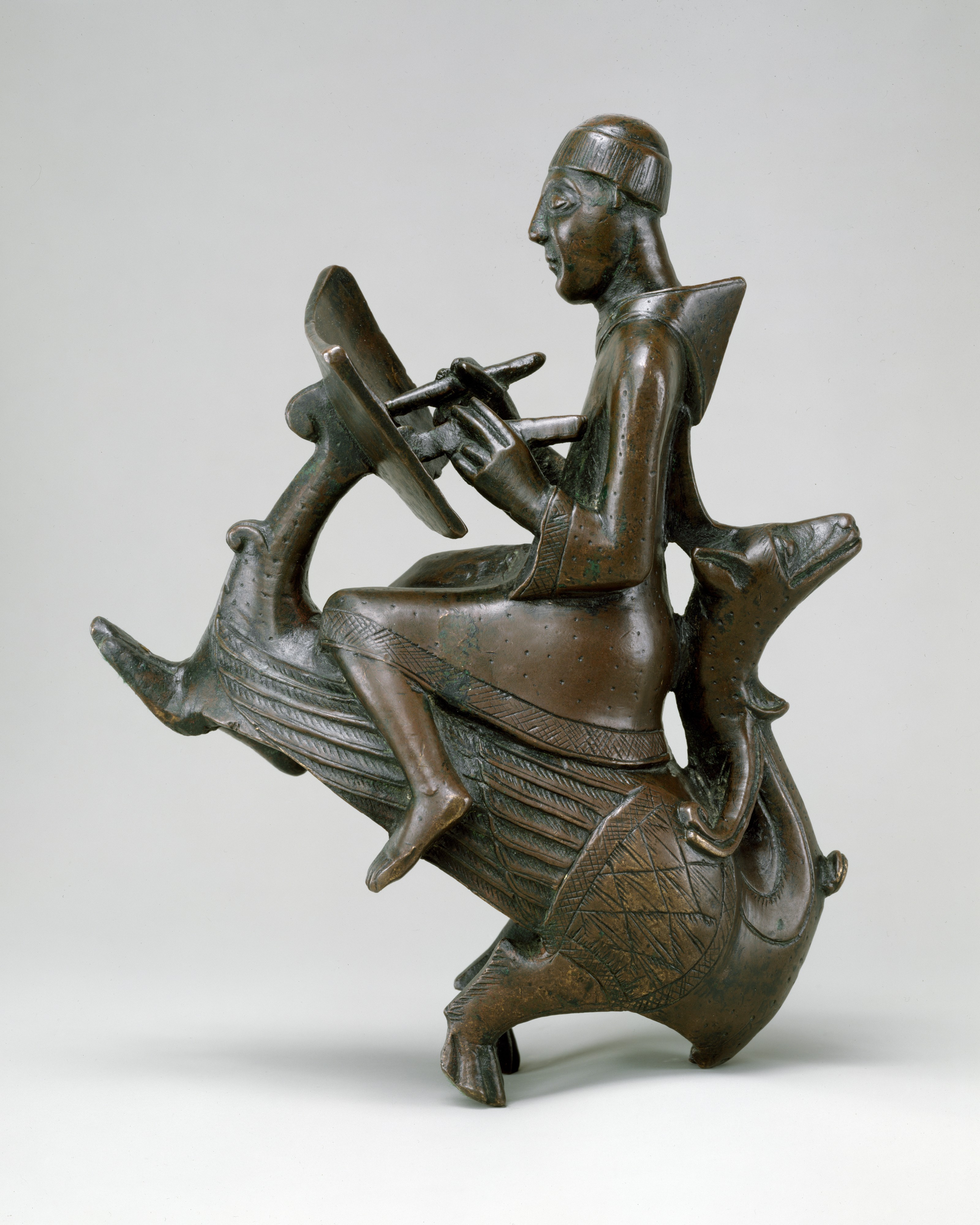
Medieval images remind us that Scripture and learning were preserved through slow, careful, hand-copied work.
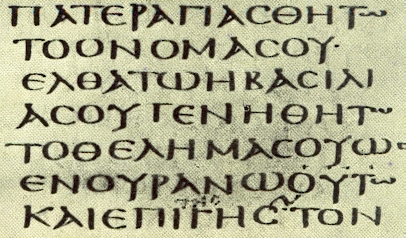
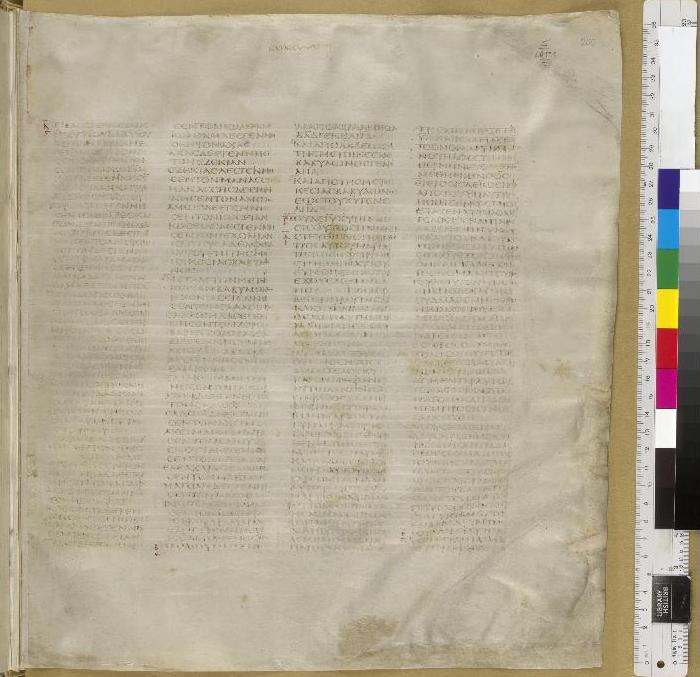
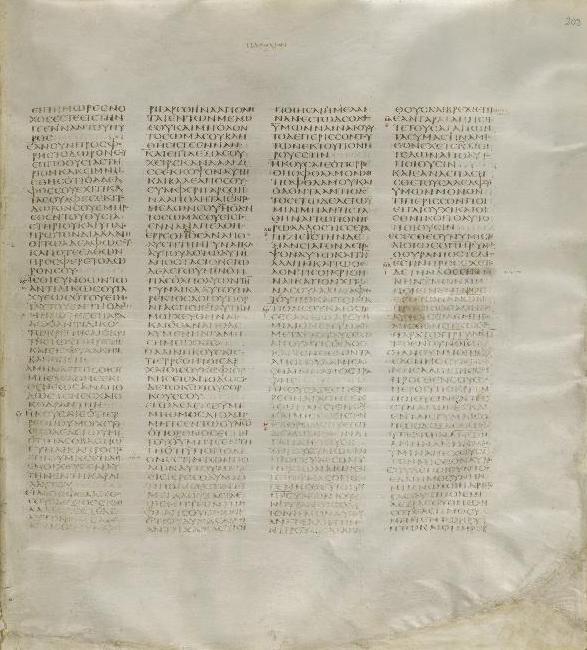
Codex Sinaiticus is a fourth-century Greek Christian Bible manuscript, including the oldest complete copy of the New Testament.
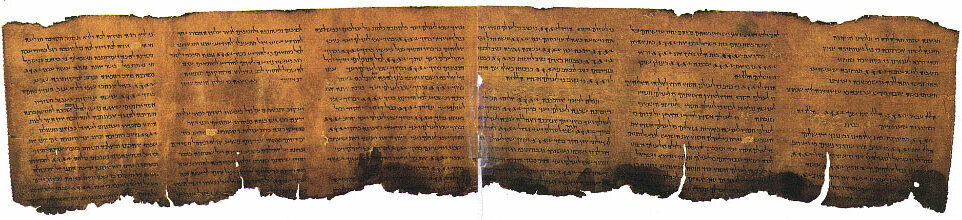
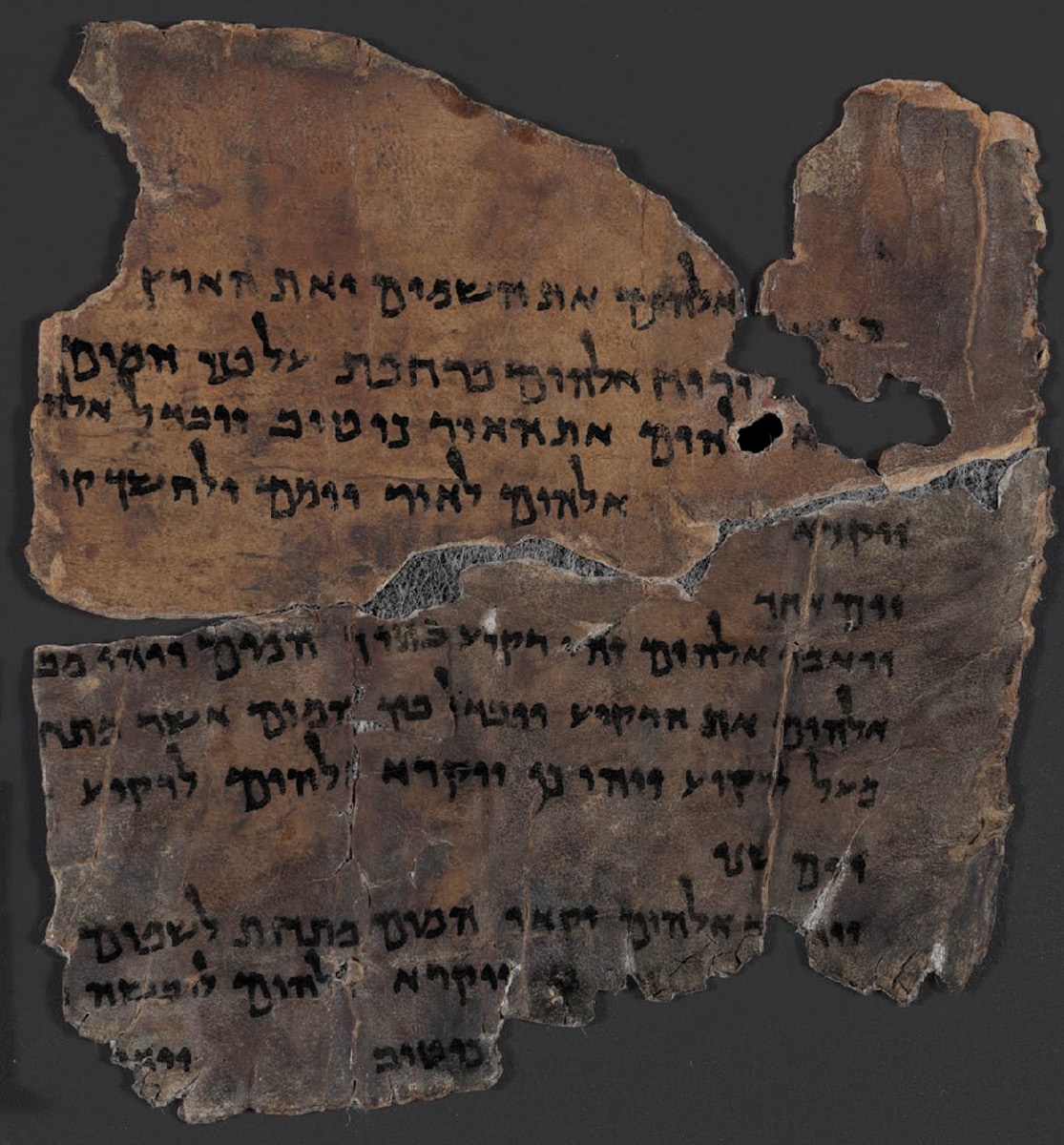
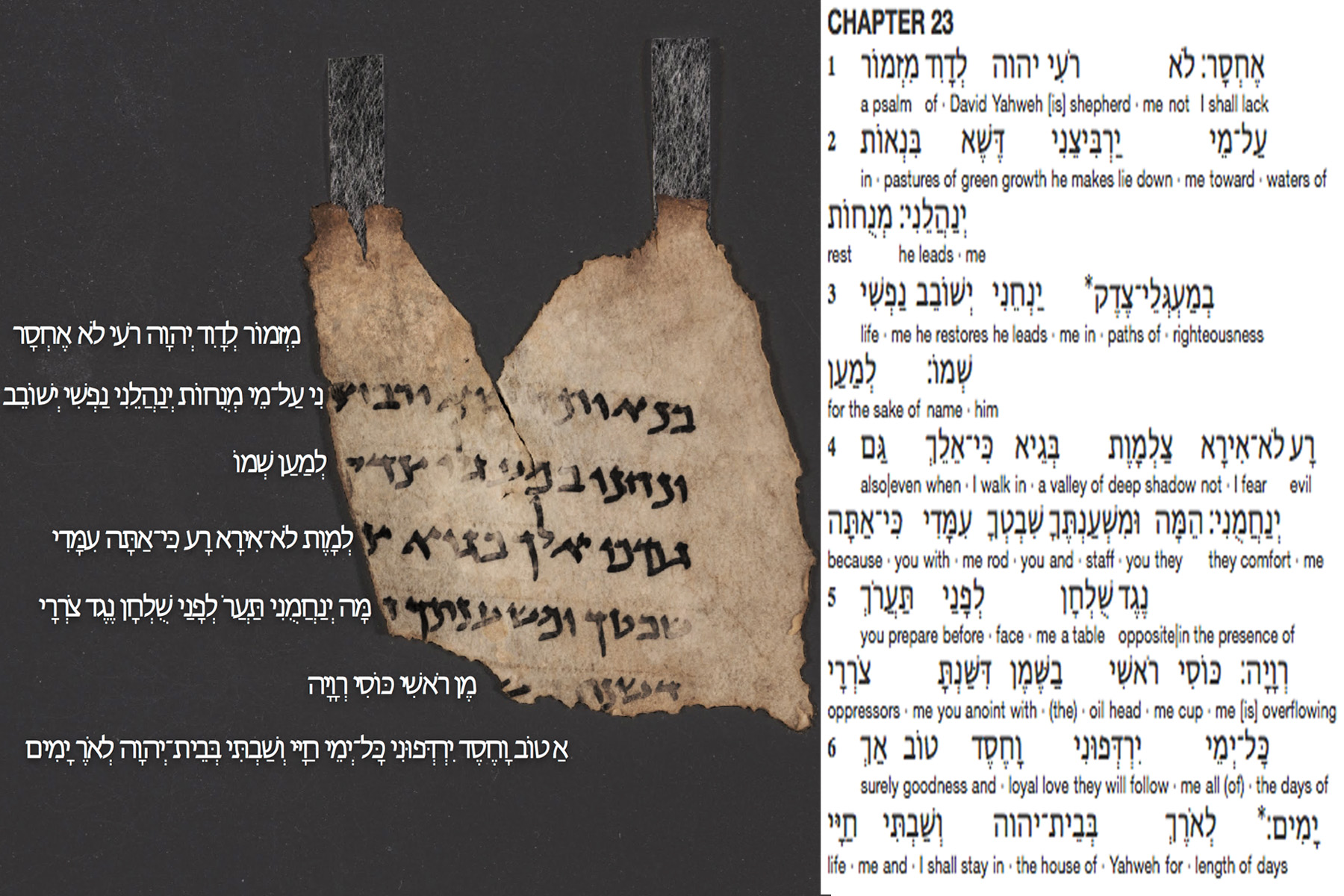
The Dead Sea Scrolls preserve some of the earliest surviving manuscript witnesses to books of the Hebrew Scriptures.
The Benefits of Bible Copywork
See More Than a Quick Reading
Copying slows the pace of reading so each word and phrase has time to register.
Remember More of What You Read
Typing or writing engages attention differently than passive reading.
Create Space for Reflection
Copywork naturally creates pauses that can become moments of prayer or meditation.
Build a Daily Habit
Even one verse a day can become a steady rhythm of returning to Scripture.
"This Book of the Law shall not depart from your mouth, but you shall meditate on it day and night."
Joshua 1:8
Throughout Scripture, God's people are encouraged not merely to read God's Word, but to dwell on it. Copywork is not a replacement for study, prayer, or reading. It is simply another way of lingering with the text.
Why Type Instead of Write?
For generations, Christians practiced handwritten copywork. Today, digital tools make the same practice available almost anywhere.
- Practice from any device
- Continue where you left off
- Track your progress
- Build a long-term habit
The goal remains the same: to slow down and pay attention.
How Bible Copywork Works
Choose a passage, type the verse exactly as it appears, notice what stands out, and return tomorrow. One verse at a time, the practice becomes a habit.
Start with One Verse
You do not need a plan to finish the entire Bible today. Choose a passage, type it carefully, and notice what stays with you. The next verse can wait until tomorrow.
Start Typing Scripture